
To focus expertise, wisdom and enthusiasm for the benefit of Moreton Bay
Nudgee Beach is on the traditional Country of the Jagera, Turrbal and Yugara peoples, whose connections to its lands, rivers, wetlands and sea extend back for millennia. These productive coastal environments have long supported fishing, gathering, cultural life and the careful custodianship of Country. The mangroves, mudflats, waterways, plants and animals were—and remain—part of an interconnected living landscape.
European settlement later transformed the area, and Nudgee Beach developed as a small fishing and bayside settlement. Today, aircraft rise from the nearby airport, traffic crowds the Gateway Motorway, and suburbs and industry surround the protective buffer of the Boondall Wetlands.
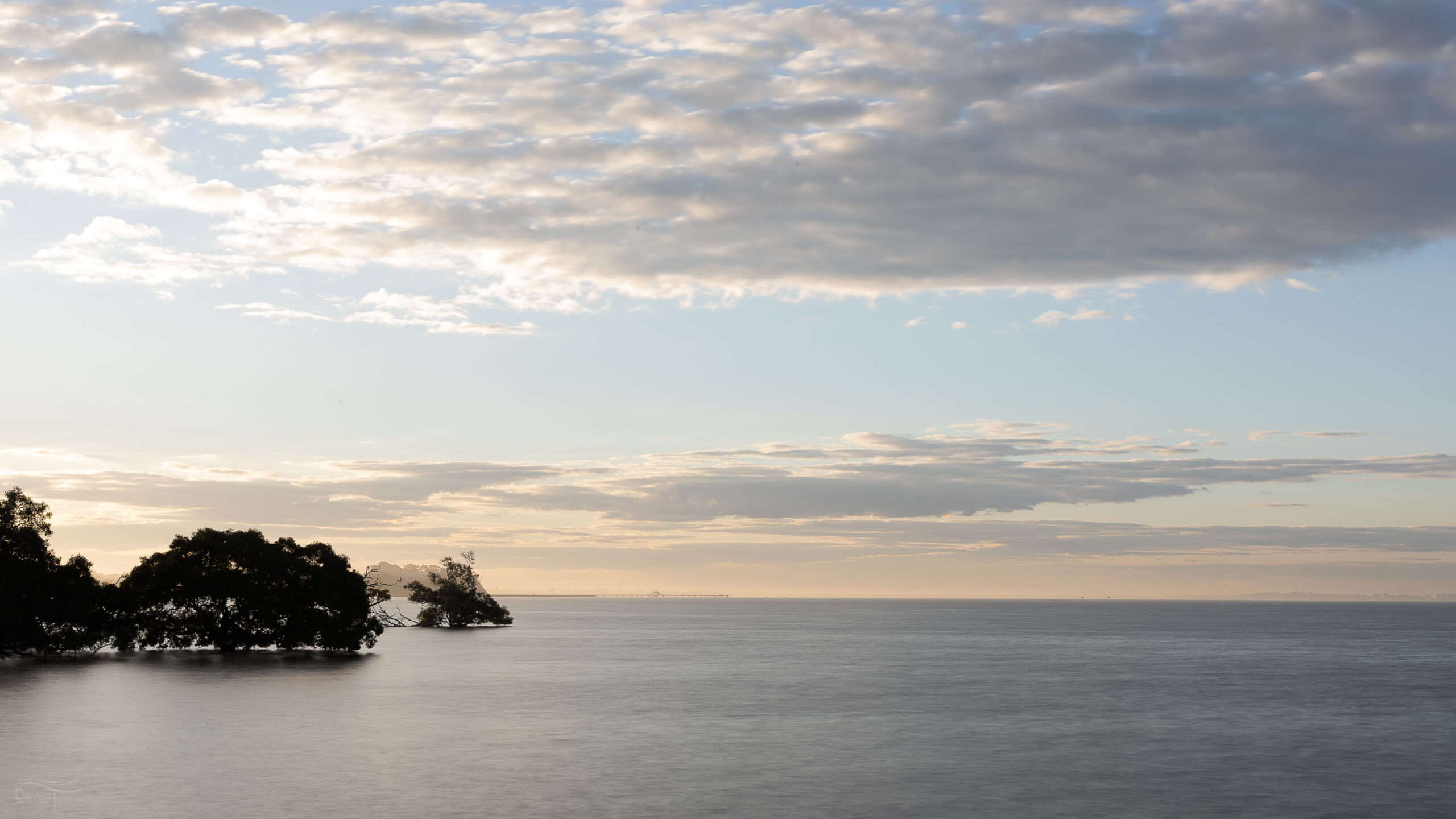
Despite the pressures, Nudgee Beach clings on as one of those places where Brisbane seems to loosen its grip, and relaxes into Moreton Bay.
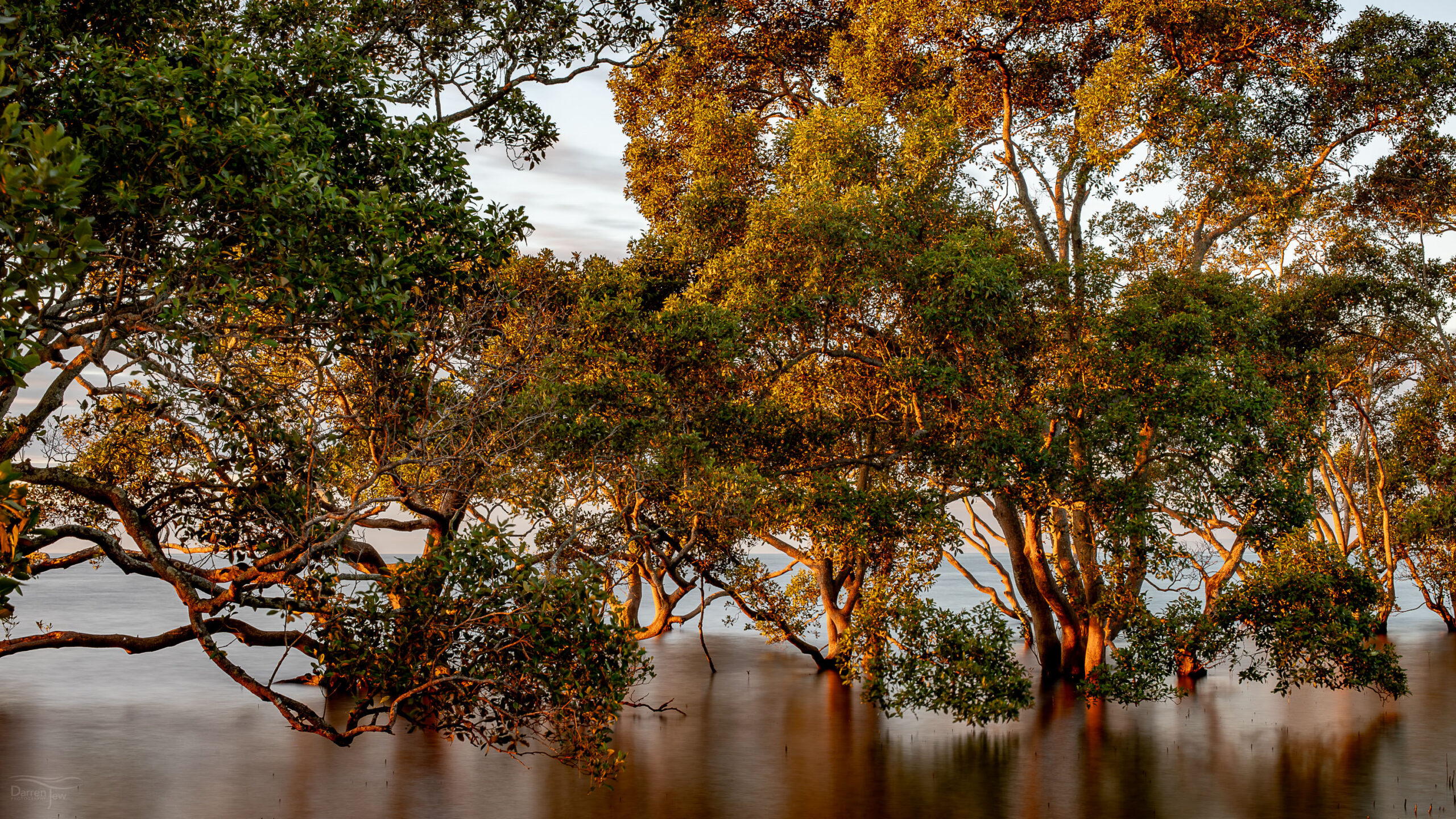
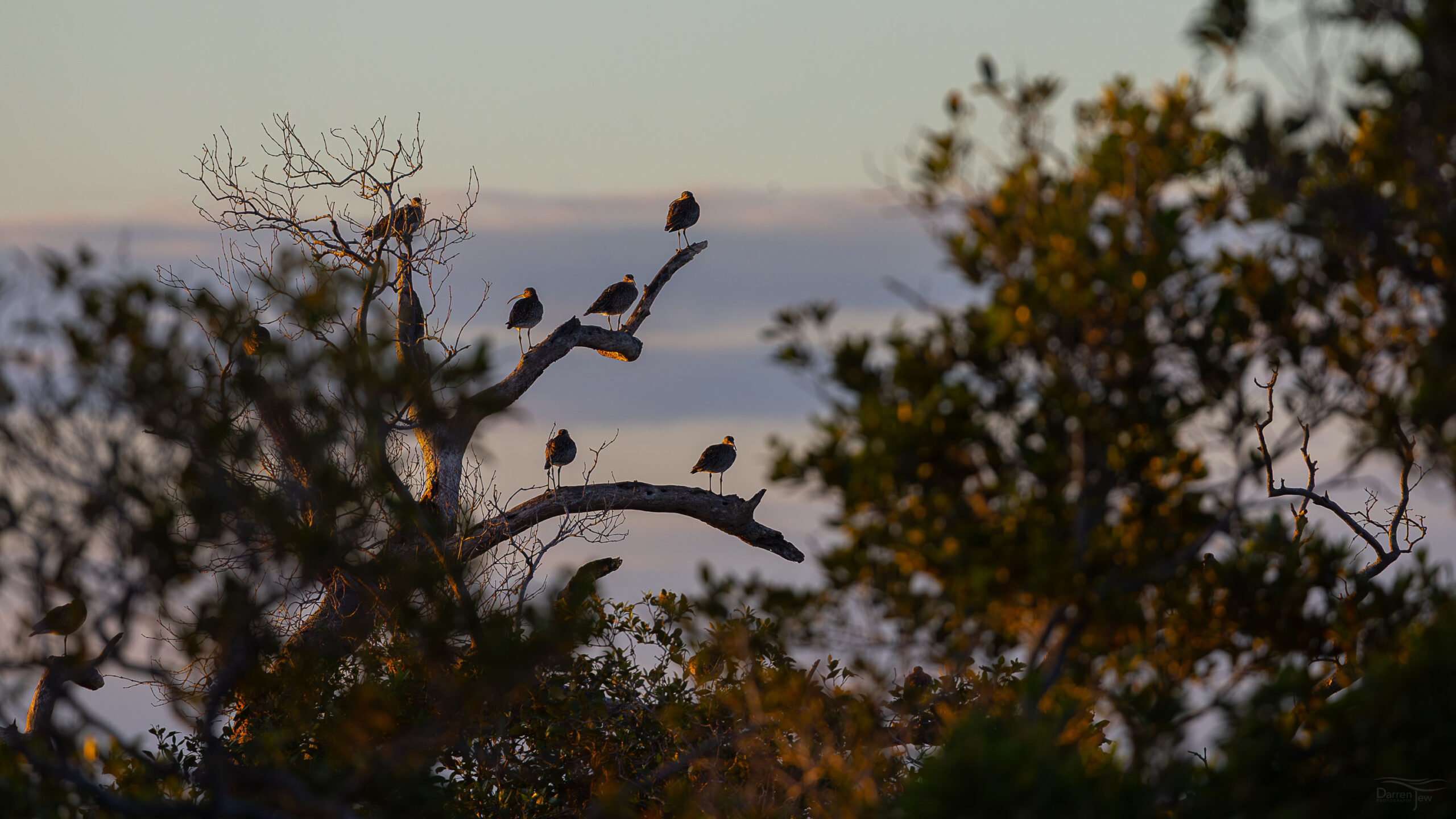
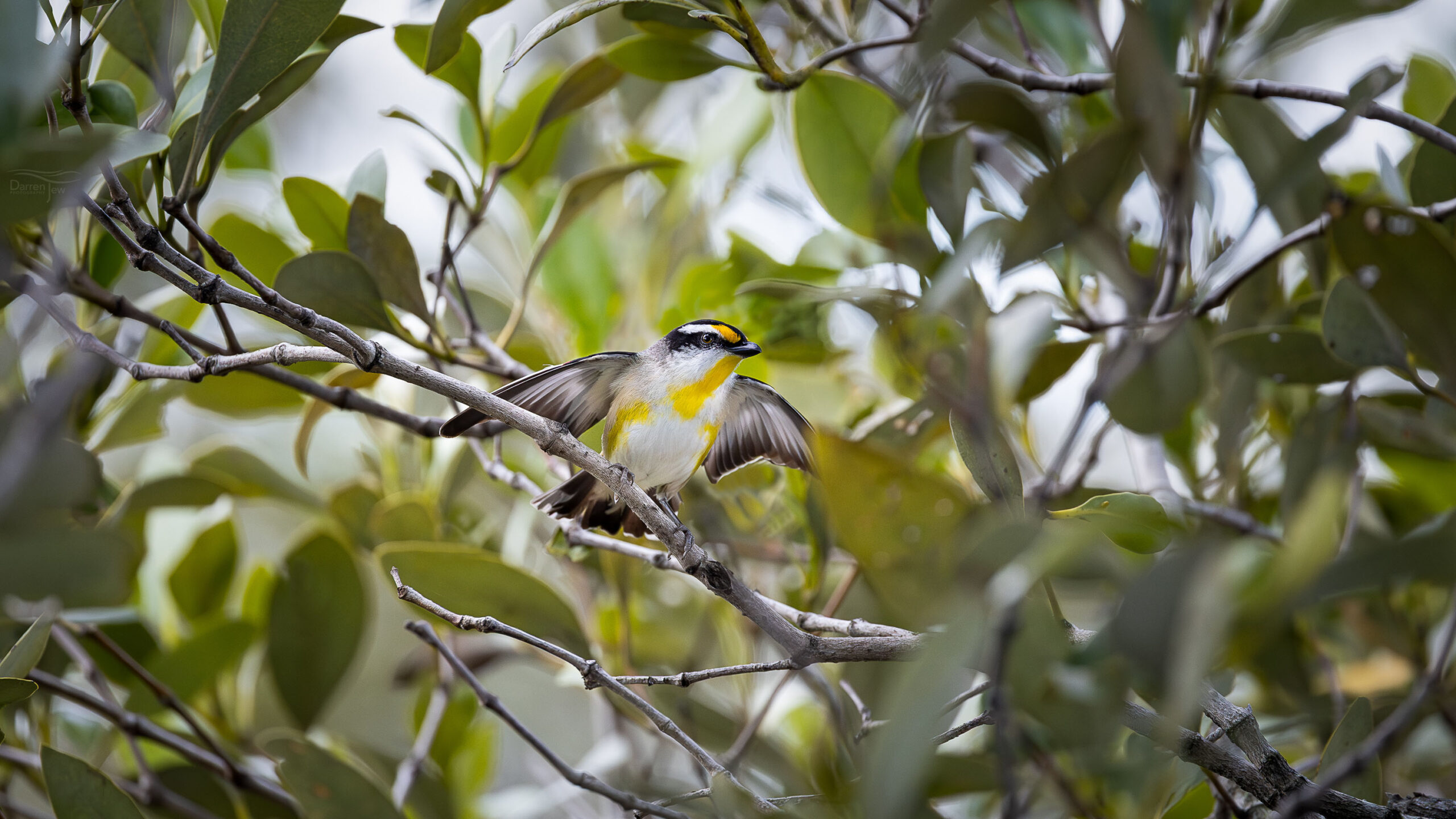
Mangroves are central to that sense of place. Their roots help stabilise the shoreline, reduce erosion and trap sediment moving towards the Bay. They provide shelter for juvenile fish, prawns and crabs, while birds feed, rest and roost across the surrounding wetlands and tidal flats. Mangroves also form an important link between catchments, saltmarshes, seagrass meadows, tidal flats and the open waters of Moreton Bay. At Nudgee Beach, those connections can be seen up close.
It is a place to slow down and pay attention. Pick up some fish and chips, sit near the shoreline and watch the life of the littoral zone unfold.
Nudgee Beach is also a place where generations have learned about the Bay. A school opened in 1926 and served the community until 1988, when it closed with only three students remaining. Its educational role didn’t end there—the site reopened soon after and became the Nudgee Beach Environmental Education Centre–where around 9,000 students visit each year to learn among the mangroves, wetlands, tidal flats and waters of Moreton Bay.
Nudgee Beach is one of those special places where people meet mangroves—and where deep, lifelong connections with Moreton Bay begin.
World Mangrove Day is celebrated on 26 July every year.
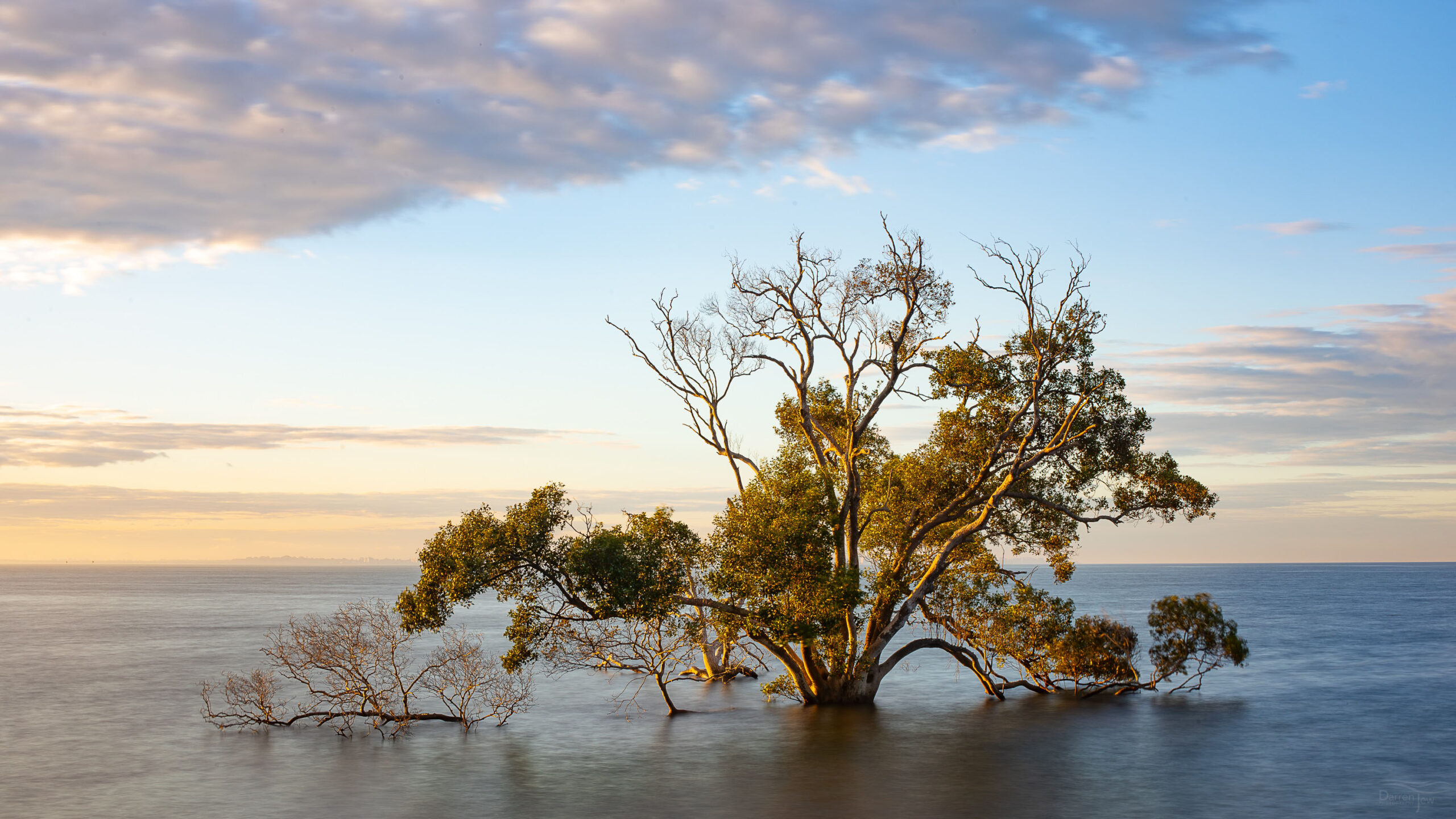
Photos © Darren Jew